
The Ultimate Guide to Choosing the Right Print Materials for Your Business
Understanding Your Business Needs
Choosing the right print materials starts with understanding your business goals and target audience. Are you aiming to increase brand awareness, promote a specific product, or enhance customer engagement? Knowing your objectives will guide your material choices, whether it’s business cards, brochures, or large banners.
Consider your audience’s preferences as well. A tech-savvy demographic might appreciate sleek and modern designs, while a more traditional audience may favor classic styles. Tailoring your print materials to your audience's tastes can significantly enhance their effectiveness.
Types of Print Materials
Print materials come in various forms, each serving a unique purpose. Here are some common options:
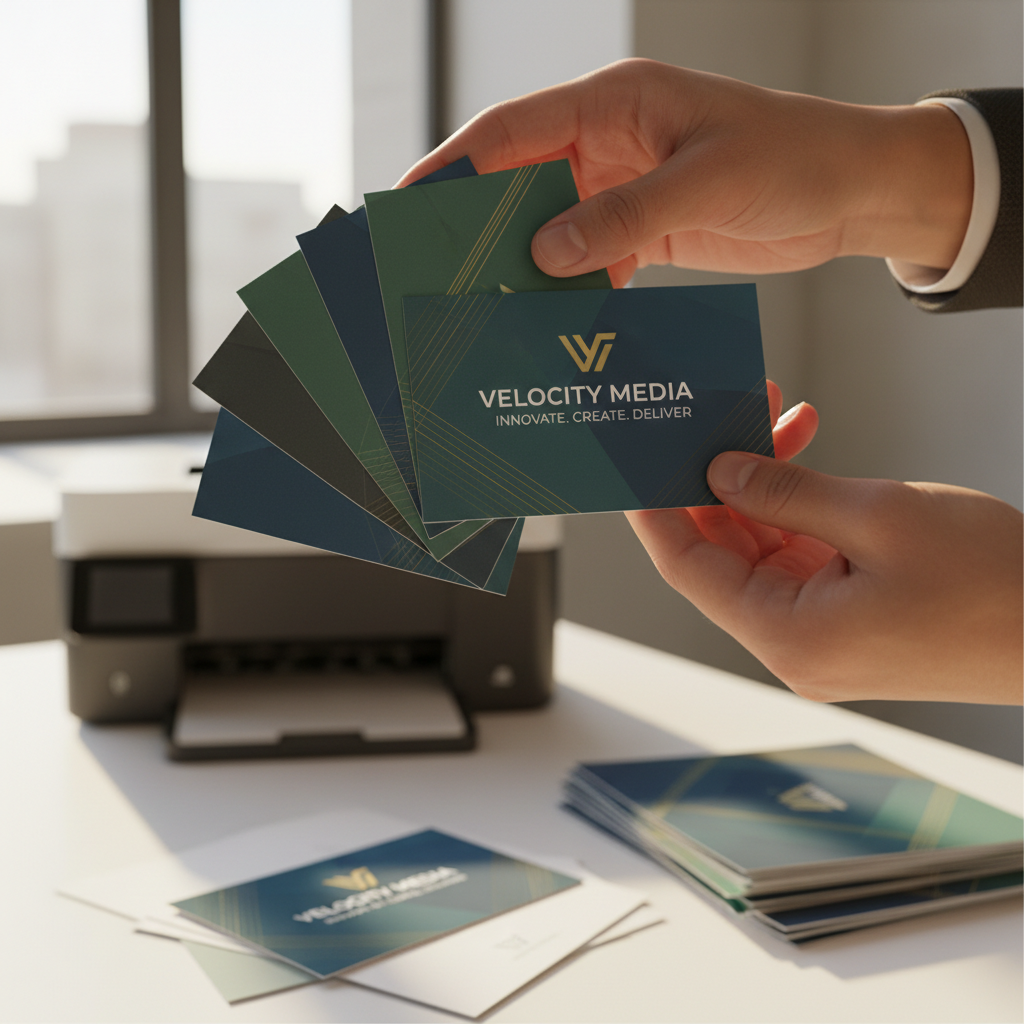
- Business Cards: Essential for networking and making a memorable first impression.
- Brochures: Perfect for providing detailed information about your products or services.
- Flyers: Great for quick announcements or promotions.
- Posters: Ideal for grabbing attention in high-traffic areas.
Selecting the right type depends on how you want to communicate with your audience and the message you wish to convey.
Design and Branding
Your print materials should reflect your brand's identity. Consistent use of colors, fonts, and logos helps build brand recognition. A well-designed print piece not only attracts attention but also conveys professionalism and trustworthiness.
Work with a skilled designer to ensure that your materials are visually appealing and aligned with your brand's voice. A cohesive design strategy across all print materials reinforces your brand message effectively.

Choosing the Right Material
The quality of the paper or material you choose can greatly impact the perception of your brand. Higher quality materials, like glossy or matte finishes, can give a more professional look, whereas recycled paper might appeal to environmentally conscious audiences.
Consider durability as well, especially for materials that will be handled frequently, such as menus or price lists. Investing in high-quality materials can leave a lasting impression on potential customers.
Printing Techniques and Costs
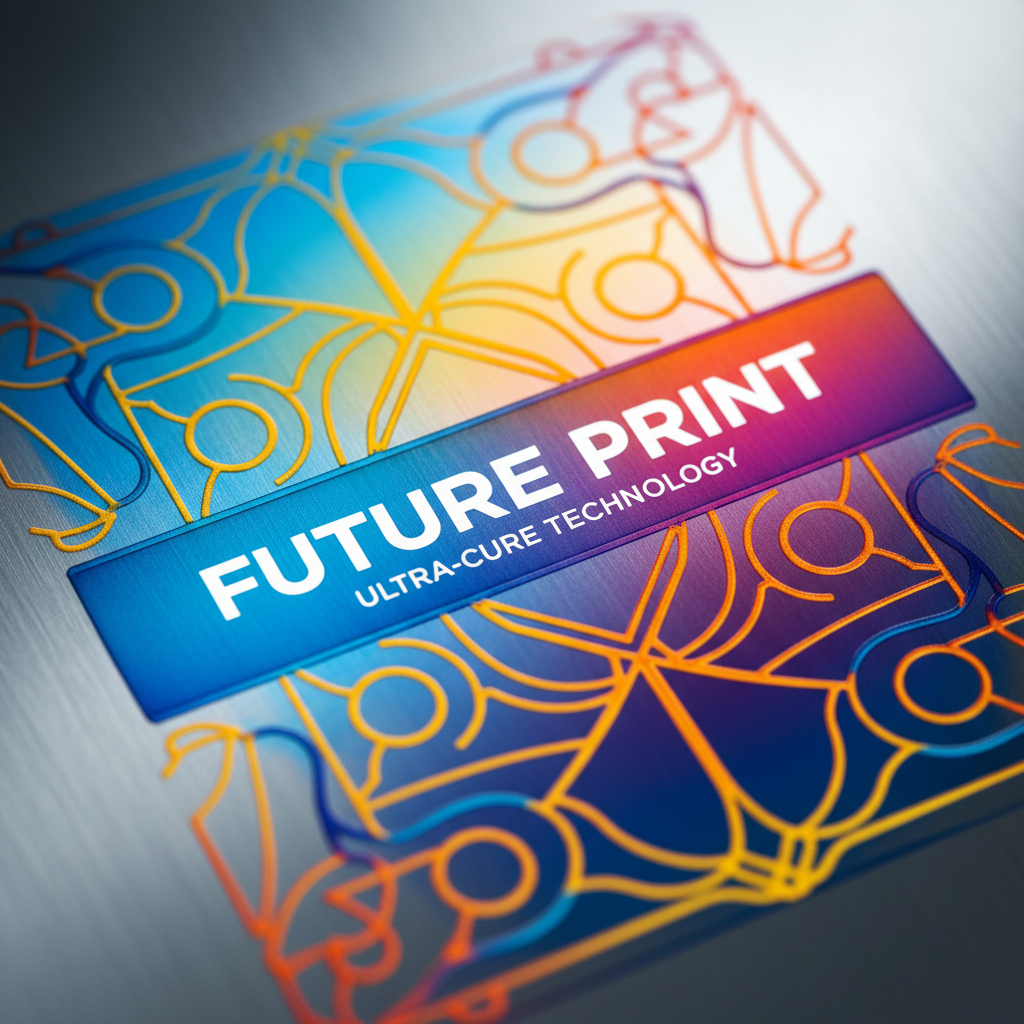
Explore different printing techniques like digital, offset, or screen printing. Each method has its advantages and cost implications. Digital printing offers flexibility and is cost-effective for small batches, while offset printing is suitable for larger volumes with higher quality output.
Budgeting is crucial. Factor in the cost of design, materials, and printing when planning your print marketing strategy. Obtaining quotes from multiple vendors can help you find the best deal without compromising quality.
Distribution Strategy
Once you have your print materials, think about how you will distribute them. Will you hand them out at events, include them in mailings, or display them in-store? A well-planned distribution strategy ensures that your materials reach the right audience efficiently.
Consider partnering with local businesses or participating in community events to expand your reach. Effective distribution enhances the return on investment of your print materials.

Measuring Effectiveness
Finally, it’s important to measure the success of your print materials. Include tracking mechanisms like QR codes or custom URLs to monitor engagement and response rates. Analyzing these metrics will help you refine your future print strategies.
By regularly assessing the performance of your print materials, you can make informed decisions and continuously improve your marketing efforts.