
How to Design Eye-Catching Business Cards That Stand Out
The Importance of a Memorable Business Card
In today's digital age, you might wonder if business cards are still relevant. The truth is, they are more important than ever. A well-designed business card can create a lasting impression, helping you stand out in a crowded marketplace. It's a tangible reminder of your brand that potential clients can hold onto, making it a crucial tool in your marketing arsenal.
Designing a business card that truly stands out involves more than just choosing an attractive layout. It requires a strategic approach to ensure that it effectively represents your brand and communicates your message.

Essential Elements of a Business Card
Key Information
Your business card should include all the necessary information like your name, title, company name, phone number, email address, and website. It's essential to keep this information up-to-date and accurate. Avoid cluttering the card with excessive details; simplicity is key.
Design and Layout
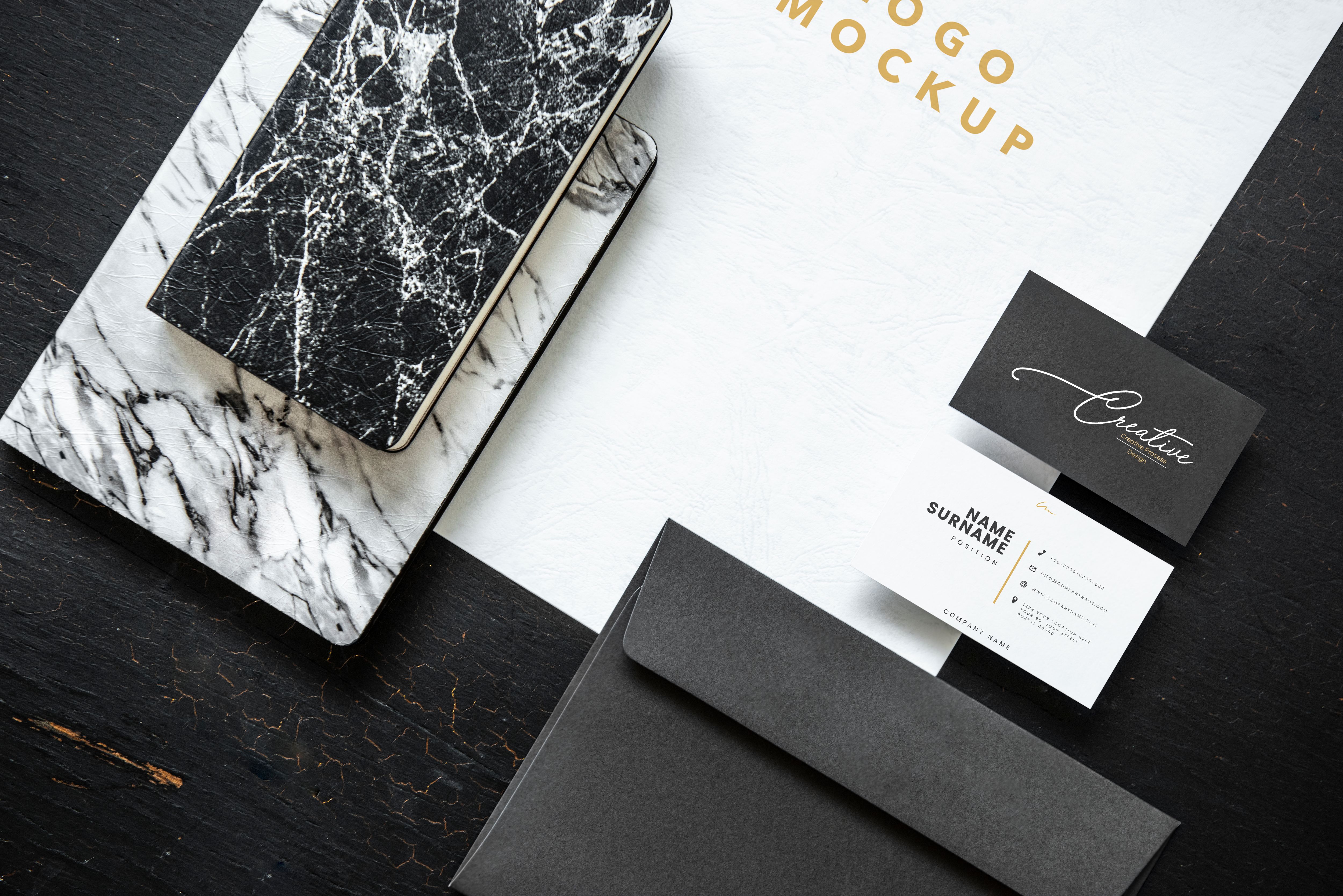
The design and layout of your card should reflect your brand's identity. Choose colors, fonts, and graphics that align with your brand's image. A consistent theme helps reinforce brand recognition. Consider using both sides of the card for additional information or a striking graphic.
Choosing the Right Materials
The material of your business card can significantly impact its impression. Options range from traditional cardstock to more unique materials like metal or plastic. Consider your industry and audience when selecting materials. A high-quality material can communicate professionalism and attention to detail.
Textured finishes or embossed elements can add a touch of elegance, while glossy finishes provide a sleek, modern look. Weigh these options carefully to align with your brand image.
Innovative Features to Consider
To make your business card truly unforgettable, consider integrating innovative features. QR codes are a great way to provide easy access to your online presence. Interactive elements like foldable designs or augmented reality can also add a unique touch.
These features not only make your card stand out but also engage the recipient, encouraging them to explore more about your brand.
Practical Tips for Designing Your Business Card
- Keep It Simple: Avoid overcrowding your card with information or design elements.
- Be Consistent: Ensure your card design aligns with your brand's overall identity.
- Include a Call to Action: Encourage the recipient to take a specific action, like visiting your website.
Remember, the goal is to leave a lasting impression that encourages further engagement with your brand. By following these guidelines, you can create a business card that not only captures attention but also effectively communicates your brand's unique value.