
Comparing Printing Techniques: Digital vs. Offset Printing
Introduction to Printing Techniques
In the world of printing, the choice between digital and offset printing can significantly impact the outcome of your projects. Both techniques have their unique advantages and applications, making it essential to understand their differences. Whether you're printing business cards, brochures, or posters, knowing which method suits your needs will ensure optimal results.

What is Digital Printing?
Digital printing is a modern technique that involves transferring a digital image directly to the paper. This method is known for its speed and flexibility, allowing for quick turnaround times and the ability to print small quantities cost-effectively. Digital printing is ideal for projects that require customization, such as personalized marketing materials or short-run booklets.
Advantages of Digital Printing
One of the primary benefits of digital printing is the elimination of setup costs, making it economical for small print runs. Additionally, it offers high-quality color consistency and the ability to print on demand, minimizing waste. The versatility in media types also allows for printing on various substrates, including paper, fabric, and even metal.

Understanding Offset Printing
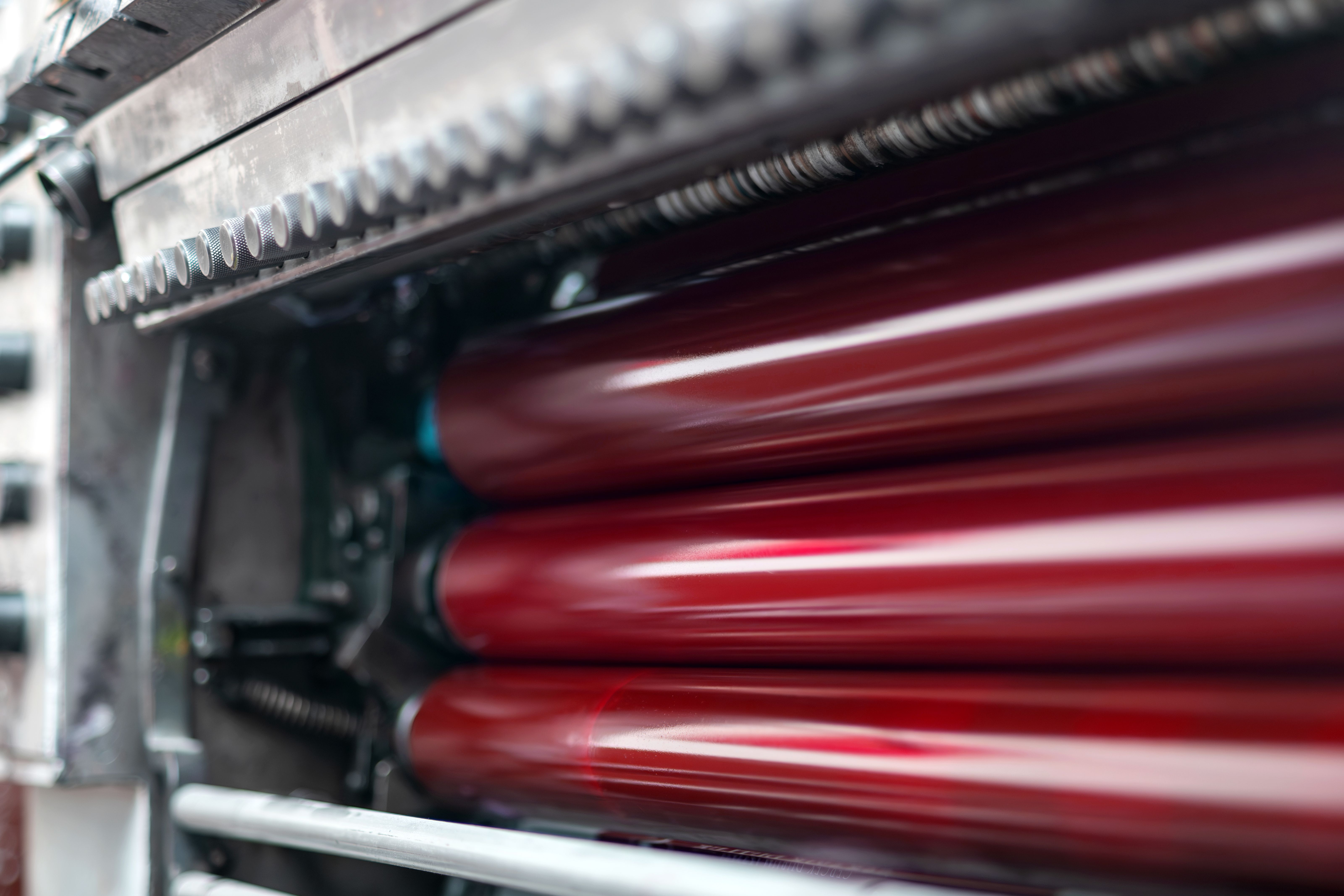
Offset printing, also known as lithography, is a traditional method that involves transferring an inked image from a plate to a rubber blanket, then onto the printing surface. This technique is renowned for its high-quality output and is typically used for larger print runs. Offset printing is perfect for projects like magazines, newspapers, and catalogs.
Advantages of Offset Printing
The key advantage of offset printing is its superior image quality and color accuracy, especially for large-scale productions. It also offers cost-effectiveness for high-volume jobs and a wide range of paper types and finishes. Moreover, offset printing provides precise color matching, making it suitable for brand-critical materials.
Comparing Costs and Efficiency
When deciding between digital and offset printing, cost and efficiency are crucial factors. Digital printing generally has lower upfront costs, but the price per unit can be higher for large quantities. In contrast, offset printing involves more setup time and costs, but the price per unit decreases significantly as the volume increases.
Choosing the Right Technique
The choice between digital and offset printing depends on your specific needs. If you require a quick turnaround and short print runs, digital printing is the way to go. However, if you need large quantities with consistent quality, offset printing is more suitable. Consider your budget, timeline, and quality requirements when making your decision.
Conclusion
Both digital and offset printing offer unique benefits, and understanding these can help you make an informed decision for your next printing project. By evaluating factors such as print volume, quality, and cost, you can choose the method that best aligns with your goals. With the right technique, your printed materials will effectively communicate your message and enhance your brand's image.