
Comparing Printing Options: Digital vs. Offset Printing Explained
In the world of printing, choosing between digital and offset printing can be a crucial decision for businesses and individuals alike. Understanding the differences between these two methods can help you select the best option for your needs. In this post, we'll delve into the advantages and disadvantages of each, helping you make an informed choice.
Understanding Digital Printing
Digital printing involves transferring a digital image directly onto a variety of media. This method is known for its speed and flexibility, making it a preferred choice for short print runs and projects requiring quick turnaround times.
Advantages of Digital Printing:
- Cost-Effective: Ideal for smaller quantities as it doesn't require setup fees.
- Quick Turnaround: Faster production with minimal setup time.
- Variable Data Printing: Easily customize each piece, perfect for personalized marketing materials.
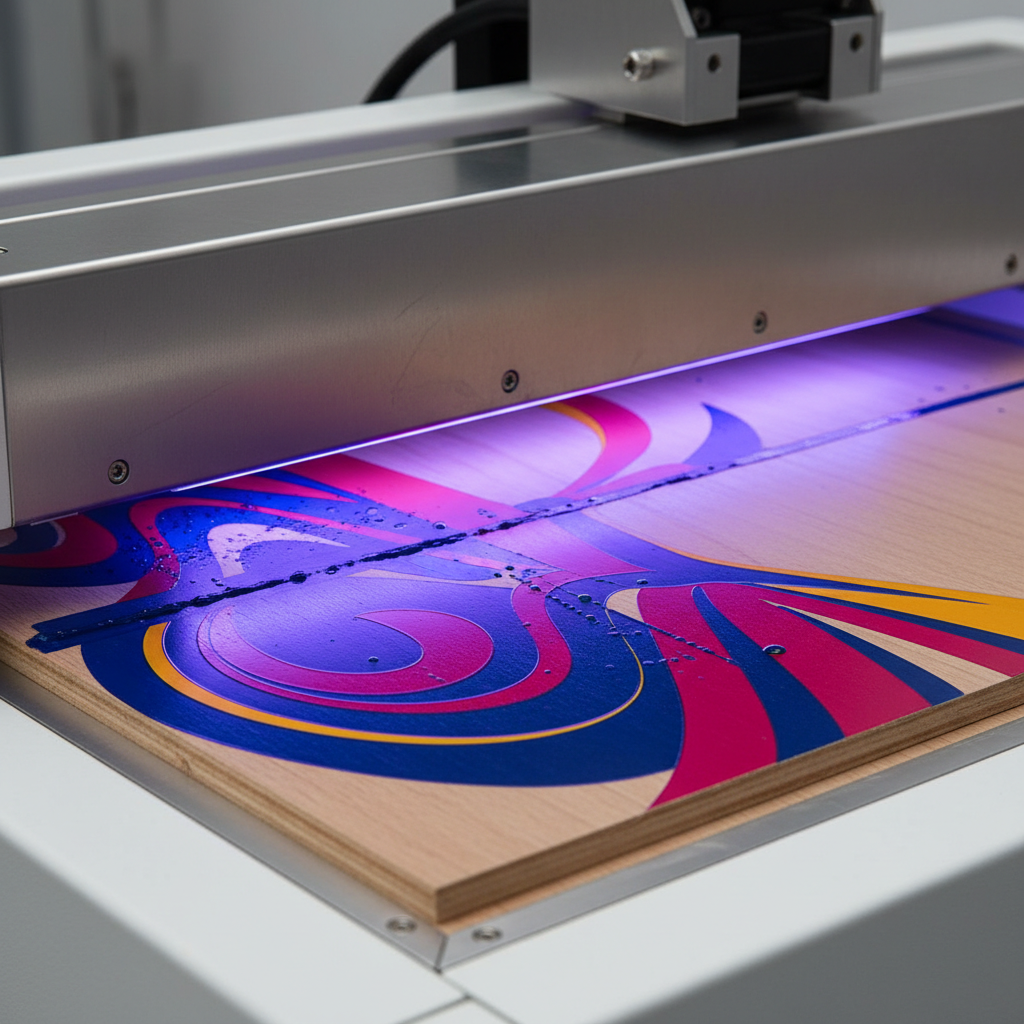
Limitations of Digital Printing
While digital printing offers several benefits, it does have some limitations. The color range is generally narrower than offset printing, and the unit cost can be higher for large-volume projects.
Exploring Offset Printing
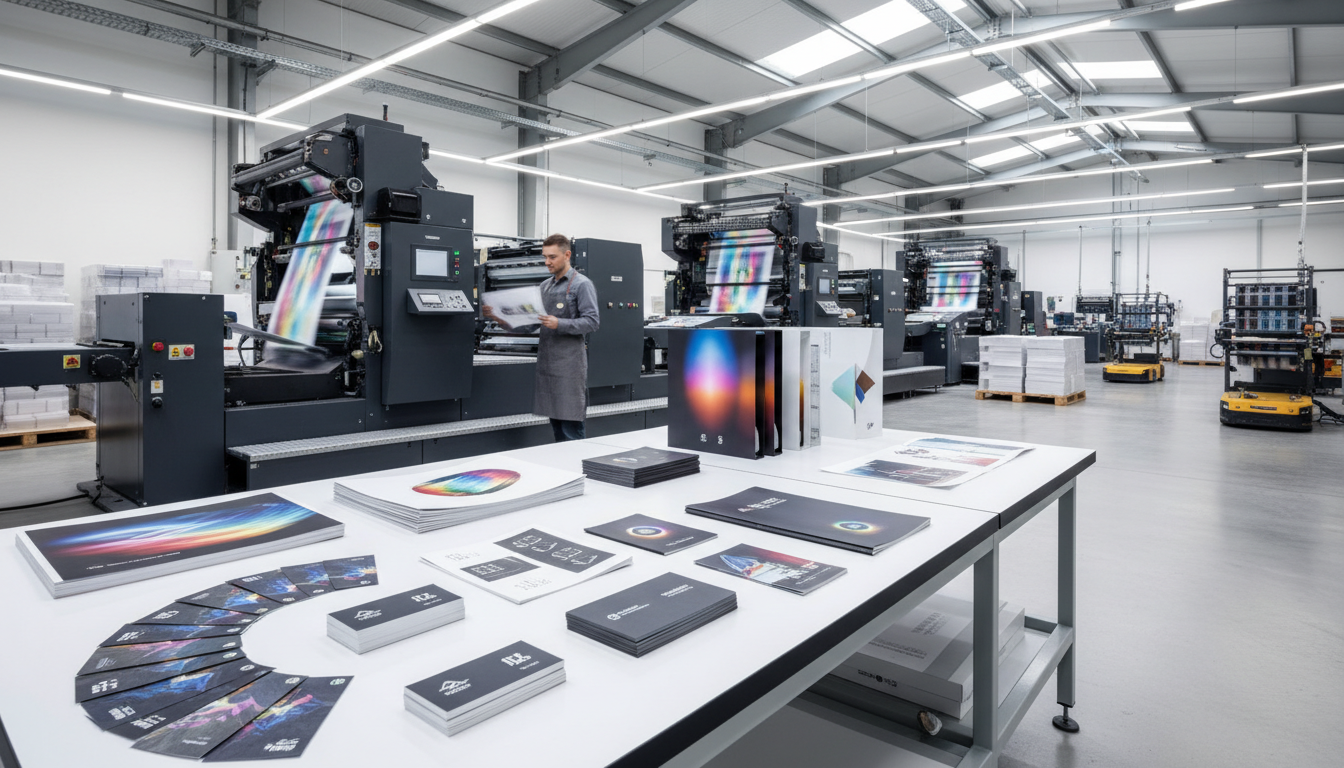
Offset printing is a traditional method that involves transferring ink from a plate to a rubber blanket and then onto the printing surface. This process is renowned for its high-quality output and cost-effectiveness for large print runs.
Advantages of Offset Printing:
- High Image Quality: Produces sharp and clean images with accurate color reproduction.
- Cost Efficiency for Large Runs: Lower unit costs as the quantity increases.
- Wide Range of Materials: Compatible with various paper types and finishes.
Challenges with Offset Printing
Offset printing does have its downsides. The initial setup is more time-consuming and expensive, making it less ideal for small batches. Additionally, changes can't be made once production starts, limiting flexibility.
Which Printing Method Should You Choose?
Your choice between digital and offset printing will largely depend on your specific needs. Consider the following factors:
- Volume: For large quantities, offset printing is often more economical.
- Turnaround Time: Digital printing is better for quick jobs.
- Customization: If personalization is key, digital printing is the way to go.
In conclusion, both digital and offset printing have their unique advantages and limitations. By evaluating your project requirements, budget, and timeline, you can choose the method that best aligns with your goals. Whether you need a short run of personalized marketing materials or a large batch of high-quality prints, understanding these options will help you achieve optimal results.