
Comparing Printing Materials: What Works Best for Your Project?
When embarking on a printing project, choosing the right material is crucial for achieving the desired outcome. Whether you're creating business cards, brochures, or large banners, the material you select can impact both the look and durability of your print. Let's explore the different printing materials available and find out what works best for your project.
Paper: The Classic Choice
Paper is the most traditional and widely used printing material. It's versatile, cost-effective, and available in various textures and finishes. From glossy to matte, paper offers a range of options to suit your project's needs. It's ideal for flyers, brochures, and business cards.
Glossy paper provides a shiny finish that makes colors pop, perfect for vibrant images. In contrast, matte paper offers a more subdued look, reducing glare and making text easier to read. Consider the purpose of your print to decide which finish is best.
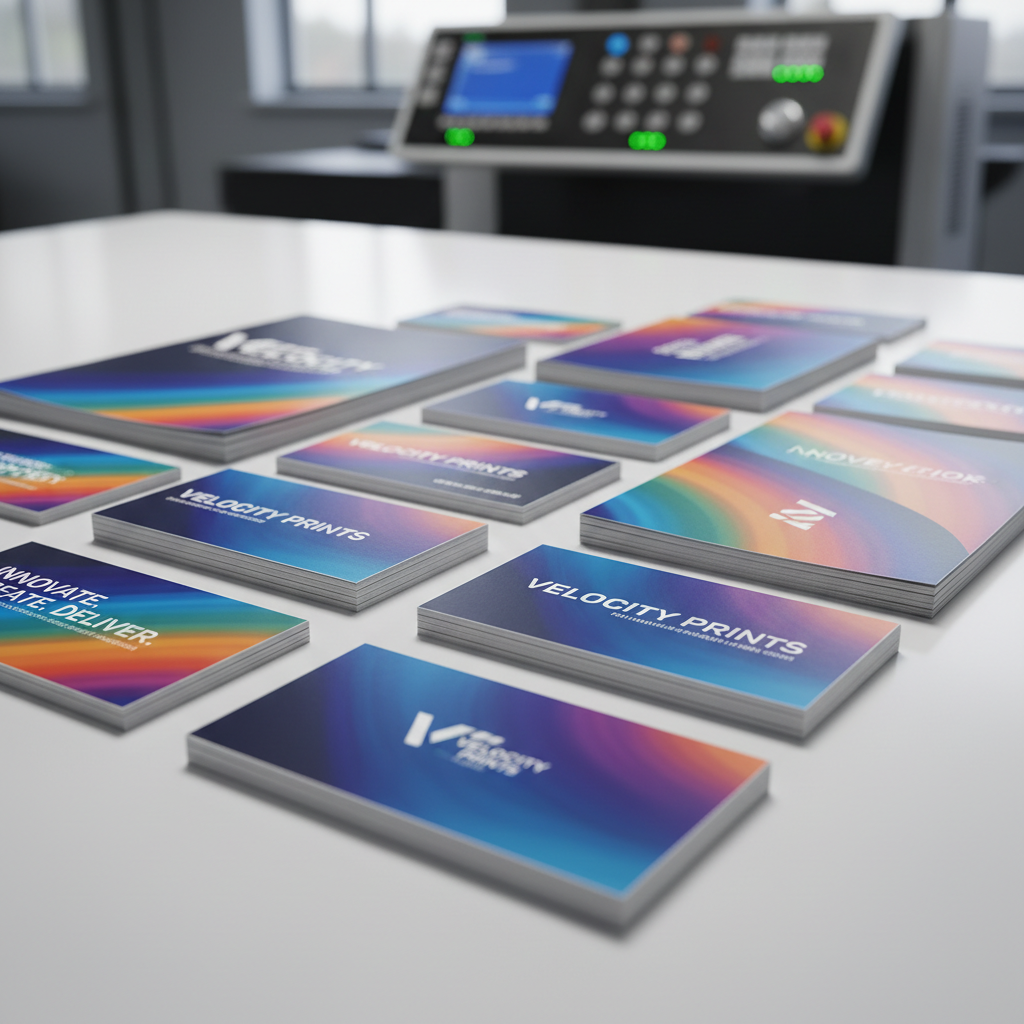
Cardstock: For a Sturdy Feel
Cardstock is thicker than regular paper, providing a more substantial feel. It's the go-to choice for business cards, invitations, and postcards. Its durability makes it perfect for items that need to withstand handling.
Available in different weights, cardstock offers flexibility depending on your project's needs. Heavier cardstock adds a premium touch but may increase mailing costs. Consider what balance of quality and budget works for you.
Vinyl: The Durable Option
Vinyl is a popular choice for outdoor signage and banners due to its durability and weather resistance. It can withstand rain, wind, and sun exposure, making it ideal for long-term use.
Vinyl can be printed in vivid colors and large formats, ensuring that your message stands out. Whether for trade shows or storefront displays, vinyl is a reliable option for outdoor projects.
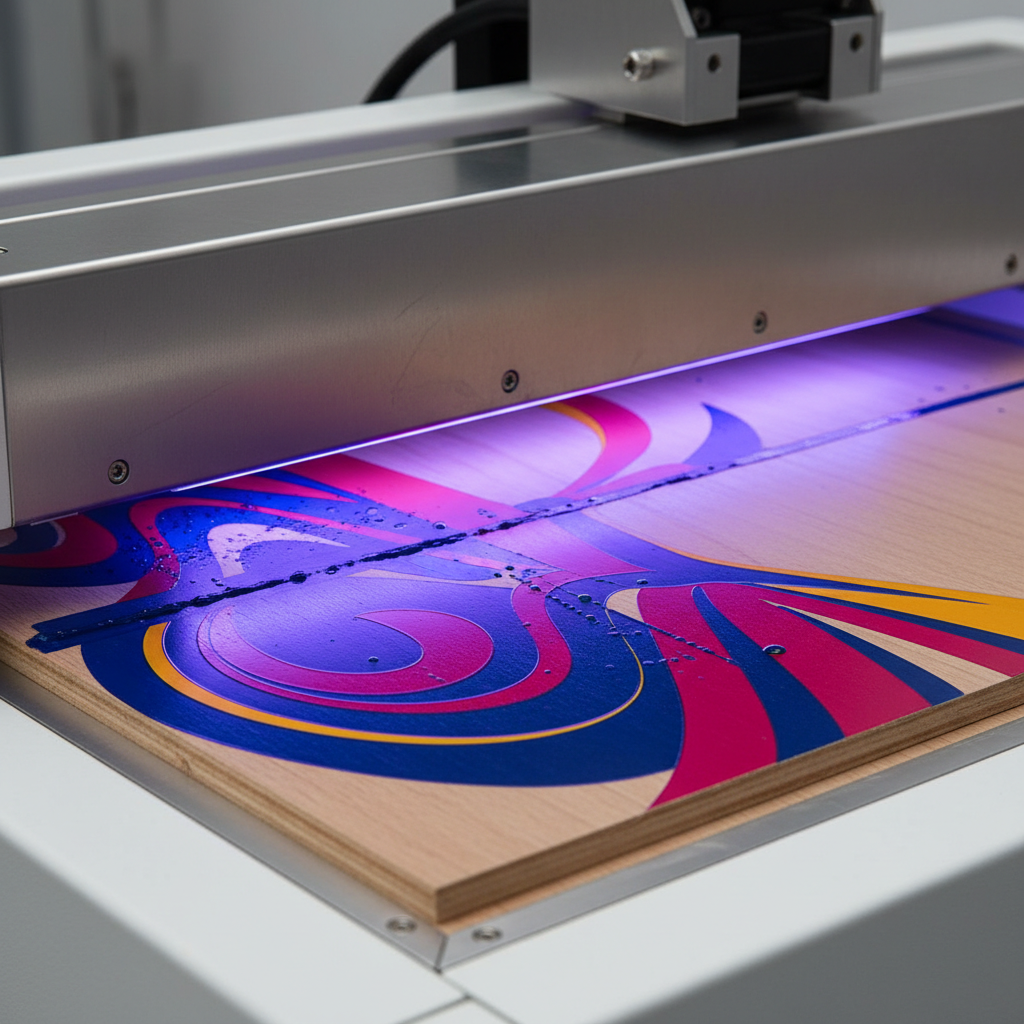
Fabric: Unique and Versatile
Fabric printing is gaining popularity for its unique texture and versatility. It's perfect for banners, flags, and even custom apparel. Fabric allows for vibrant colors and can be easily transported without creasing.
Eco-friendly options are available, making fabric a great choice for environmentally conscious projects. Consider fabric printing if you want a distinct look that stands out from traditional materials.
Plastic: For Durability and Style
Plastic is often used for items like membership cards, ID badges, and promotional items. It's waterproof and durable, ensuring longevity.
With options like clear, frosted, or colored finishes, plastic offers a modern and stylish appearance. It's perfect for projects that require a blend of durability and aesthetics.

Conclusion: Choosing the Right Material
Selecting the right printing material depends on your project's specific needs, budget, and intended use. Consider the environment where the print will be used, the desired longevity, and the overall look you want to achieve.
By understanding the strengths and limitations of each material, you can make an informed decision that enhances the effectiveness of your printed materials. Whether you opt for the classic appeal of paper or the durability of vinyl, the right choice will ensure your project’s success.