
Comparing Digital vs. Offset Printing: Which is Right for Your Project?
Understanding Digital Printing
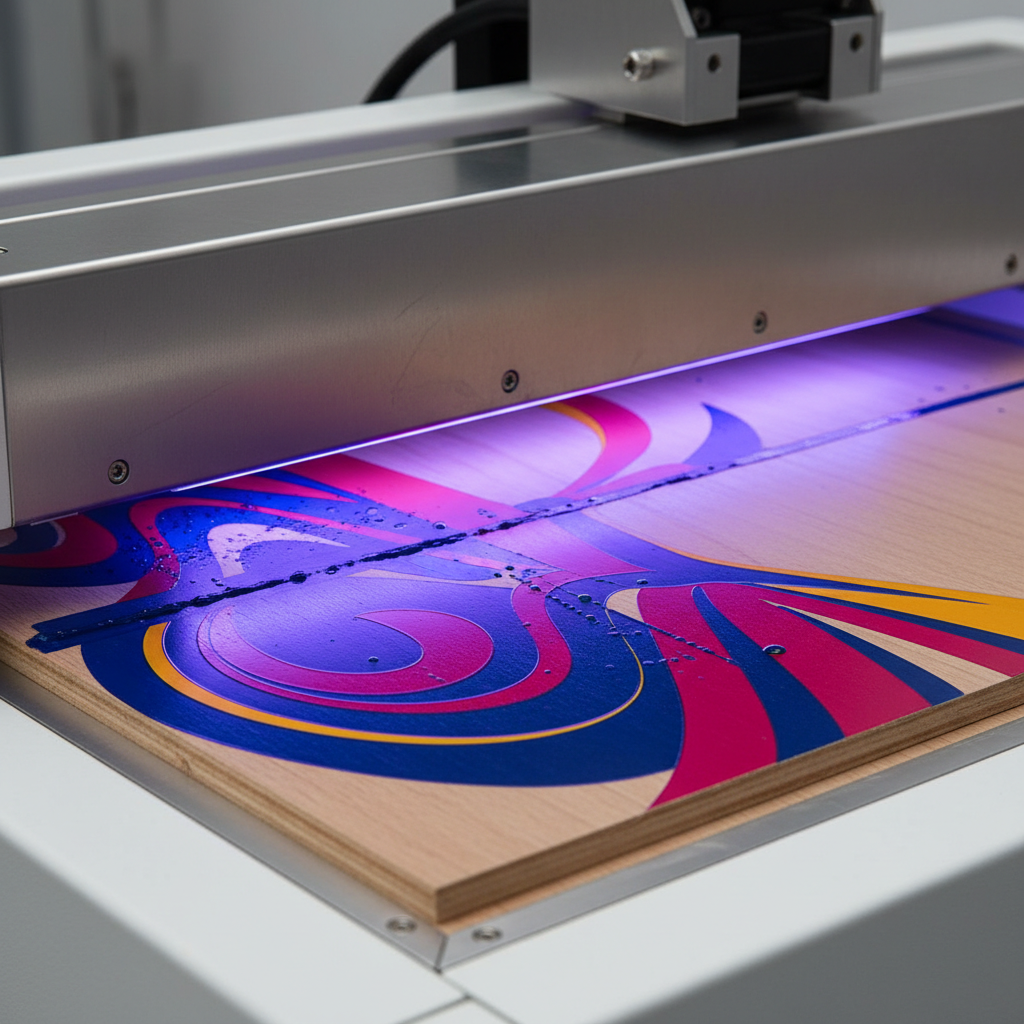
Digital printing is a modern method that uses electronic files to produce images on paper. This process involves printing directly from a digital file, such as a PDF, to a variety of media. The primary advantage of digital printing is its quick turnaround time, making it ideal for projects that require fast delivery.
One significant benefit of digital printing is the ability to produce smaller runs economically. This means you can print only what you need, reducing waste and saving costs. Additionally, digital printing allows for easy customization, as each print can be different without extra setup costs.
Advantages of Digital Printing
When considering digital printing, there are several advantages to keep in mind:
- Speed: Digital printing is faster as it requires minimal setup time.
- Cost-Effective for Small Runs: Ideal for small to medium quantities.
- Customization: Easily personalize prints without additional costs.
Exploring Offset Printing
Offset printing is a traditional method that involves transferring images from metal plates to a rubber blanket, then onto the printing surface. This method is known for its high-quality output, making it suitable for projects requiring precise color reproduction and detailed images.
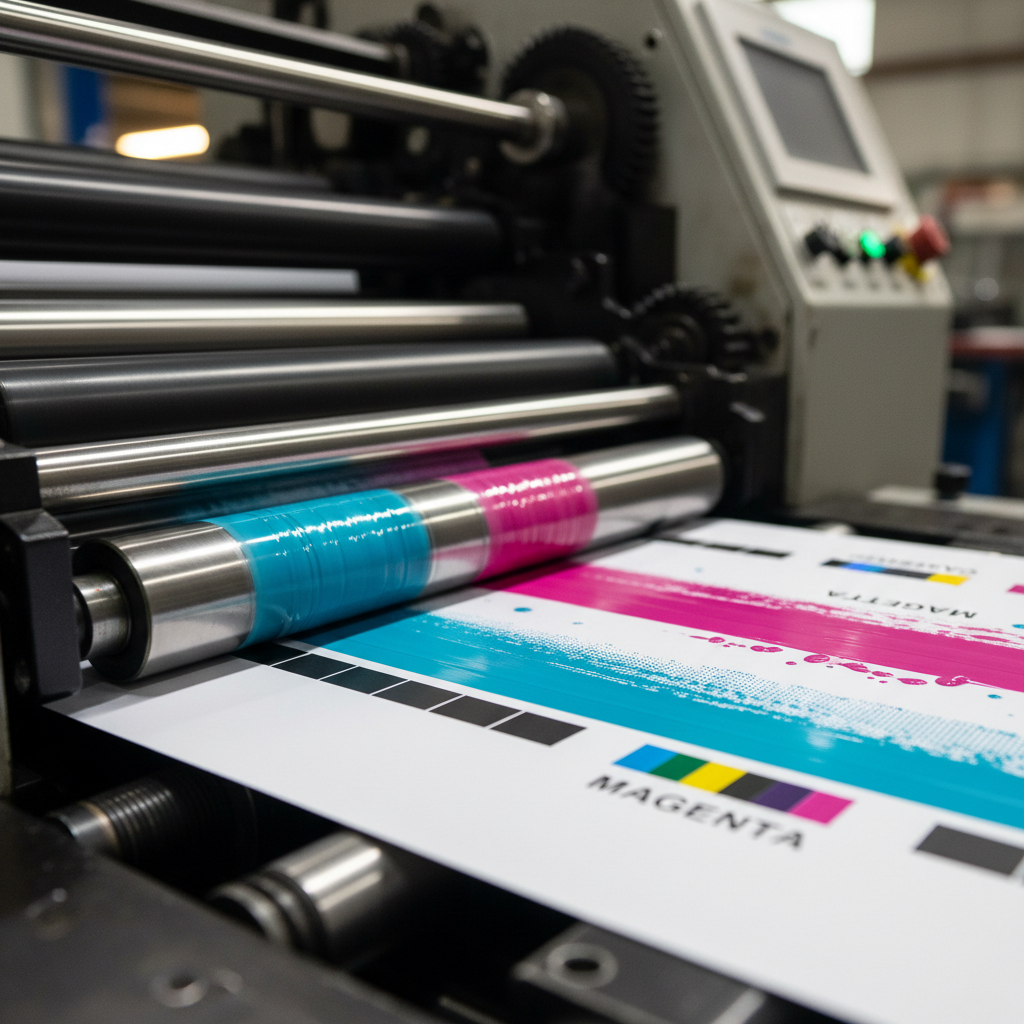
While offset printing involves a more complex setup, it becomes cost-effective for large print runs. The quality and consistency of offset printing are unmatched, which is why it's still widely used for high-volume projects like magazines, brochures, and books.
Advantages of Offset Printing
Offset printing offers several benefits, especially for larger projects:
- High-Quality Output: Excellent color accuracy and detail.
- Cost-Effective for Large Runs: Economical for high-volume printing.
- Wide Range of Paper Choices: Supports various paper types and finishes.
Making the Right Choice
Choosing between digital and offset printing depends on your specific project needs. Consider the following factors:
- Quantity: For small runs, digital is typically more cost-effective. For larger quantities, offset becomes more economical.
- Turnaround Time: Digital printing offers quicker delivery, while offset may take longer due to setup time.
- Quality Requirements: If your project demands high precision, offset might be the better choice.
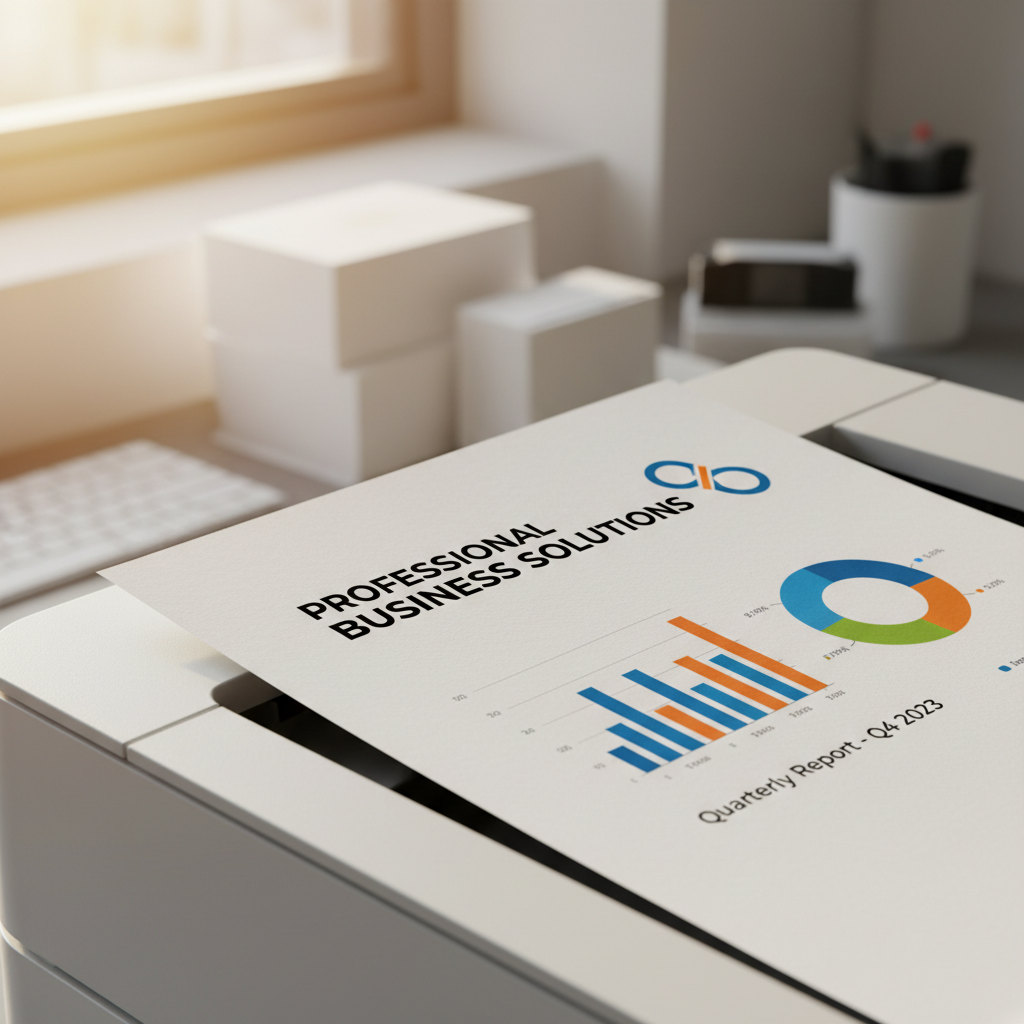
Ultimately, both digital and offset printing have their unique advantages. By understanding your project's needs, you can choose the method that best aligns with your goals, ensuring a successful outcome for your printing project.